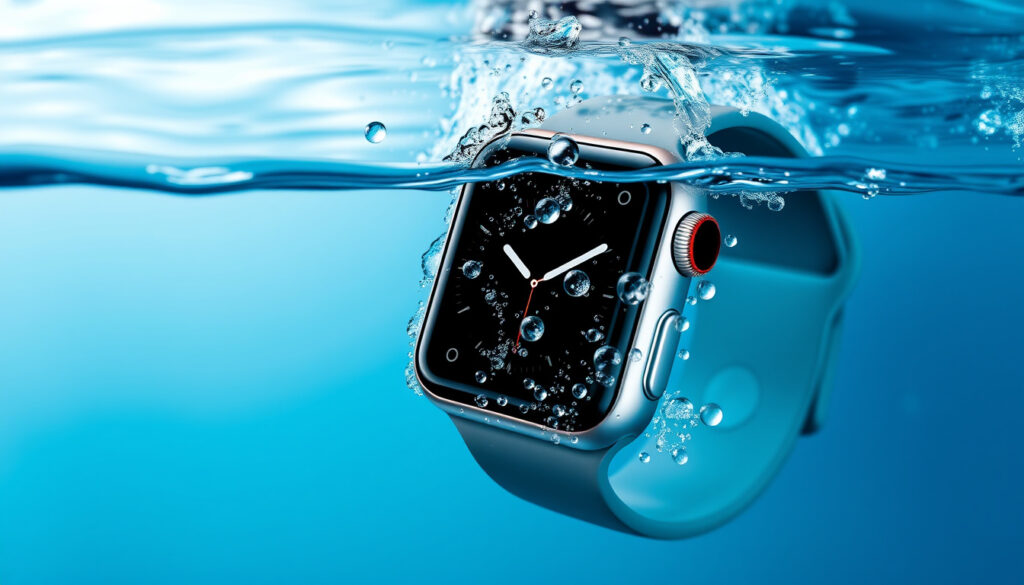
Are Apple Watches Waterproof – Ratings by Model Guide
Apple Watch models have offered increasing levels of water resistance since the device first launched, but determining exactly what that means in practice requires understanding specific ratings, model generations, and the activities each rating actually covers. The question “are apple watches waterproof” does not have a simple yes or no answer—the reality involves layers of standards, certifications, and manufacturer guidance that evolve with each generation.
For users considering their Apple Watch for swimming, surfing, or even everyday shower exposure, the distinction between water resistance and true waterproofing matters significantly. Apple has been transparent about the limitations of its water resistance claims, yet the actual capabilities have expanded considerably from the original Series 0 to the latest models available in 2024.
Are Apple Watches Waterproof?
The straightforward answer is no—Apple Watches are not waterproof. Every Apple Watch model is water resistant, which means the device can withstand water exposure to a certain degree, but the protection is not permanent and has defined limits. Apple explicitly states on its official support documentation that water resistance is not a permanent condition and can diminish over time through normal wear and tear, exposure to chemicals like soaps and perfumes, and physical impacts.
This distinction between waterproof and water resistant matters for users evaluating their device. A waterproof device would theoretically survive indefinite submersion at depth, whereas water resistance provides protection only under specific conditions that Apple has tested and certified. The moment a device exceeds its rated depth, duration, or water pressure conditions, damage becomes possible even if the device has functioned correctly under similar conditions previously.
Water resistant means the device can handle water exposure up to certain limits. Waterproof would mean indefinite protection, which no Apple Watch currently offers. Always check your specific model’s rating before exposing it to water.
Water Resistant vs Waterproof Explained
Apple uses two primary certification standards for its watches. The WR50 rating applies to most standard Apple Watch models and indicates the device can withstand water pressure equivalent to 50 meters of depth under the ISO 22810:2010 standard. The WR100 rating used for Apple Watch Ultra and Ultra 2 indicates protection up to 100 meters depth, with additional EN13319 certification specifically designed for diving equipment.
These ratings come with important caveats. Apple notes that a 50-meter rating does not mean the device can be submerged to 50 meters—it means the device passed testing under conditions equivalent to standing water at 50 meters pressure in a laboratory setting. Real-world conditions involving movement, temperature changes, and chemical exposure can produce different results than static laboratory testing.
The “50m” in WR50 does not mean 50 meters underwater. It means the device passed a specific pressure test. Apple recommends WR50 for shallow-water swimming only, not for recreational scuba diving or high-velocity water sports.
Apple Watch Water Resistance Ratings by Model
Apple Watch water resistance has evolved substantially since 2015, with significant improvements introduced in 2016 with Series 2 and continuing through the 2024 lineup. Understanding which rating applies to your specific model helps set realistic expectations for water exposure.
Series 1 Through Series 10 Ratings
The original Apple Watch Series 0 and Series 1 carry an IPX7 rating under IEC 60529 standards, meaning they can withstand immersion in up to 1 meter of water for approximately 30 minutes. These early models were not designed for submersion beyond accidental splashes and should not be deliberately exposed to water beyond brief contact with minimal depth.
Apple Watch Series 2 through Series 9, along with the current SE model, all carry the WR50 (50 meter) rating under ISO 22810:2010. This certification means these models are suitable for shallow-water activities including swimming in pools and oceans, and showering. The rating specifically supports pool and open-water swimming at depths that remain well below the 50-meter threshold, typically interpreted as recreational swimming conditions where the watch remains at or near the surface.
Apple Watch Series 10 introduced enhanced water capabilities while maintaining the WR50 rating. The key addition is support for snorkeling at depths up to 6 meters, which is made possible by the inclusion of a Depth app and water temperature sensor. Series 10 remains unsuitable for scuba diving, waterskiing, or any activity involving high-velocity water impact despite its improved sensors and thinner profile.
Ultra and Ultra 2 Ratings
Apple Watch Ultra and Ultra 2 represent the highest level of water protection in the Apple Watch lineup. These models carry WR100 certification (100 meters) and are additionally EN13319-compliant, a standard specifically developed for diving equipment. The EN13319 certification means these watches meet internationally recognized requirements for depth gauges used in recreational scuba diving.
Ultra models can be used for recreational scuba diving to depths of 40 meters (130 feet), along with swimming, showering, water skiing, surfing, and snorkeling. The depth gauge on Ultra 2 extends to 40 meters, compared to Series 10 where the Depth app supports snorkeling up to 6 meters. This makes the Ultra lineup the clear choice for users who regularly participate in water activities beyond surface swimming.
| Model Group | Rating | Max Depth Limit | Swim Certified |
|---|---|---|---|
| Series 0-1 | IPX7 | 1 meter (splashes only) | No |
| Series 2-9, SE | WR50 (50m) | Shallow use (up to 6m Series 10 snorkeling) | Yes (pool/ocean swim) |
| Series 10 | WR50 (50m) | 6 meters for snorkeling | Yes (pool/ocean swim, snorkel) |
| Ultra/Ultra 2 | WR100 (100m), EN13319 | 40 meters scuba diving | Yes (all water activities) |
Can You Swim, Shower, or Use Apple Watch in Pool/Ocean?
The answer depends heavily on which Apple Watch model you own. Series 2 through Series 10, along with SE, are explicitly certified for pool and ocean swimming, making these activities well within the intended design parameters. Ultra and Ultra 2 extend those capabilities to include recreational scuba diving and high-impact water sports that would be risky for standard models.
Swimming Guidelines
Pool and ocean swimming represent the core water activities Apple designed into standard Apple Watch models. The Workout app includes dedicated swimming workout modes that track laps, distance, stroke type, and SWOLF efficiency. Open-water swims add GPS tracking for distance and route mapping. These features work reliably during swimming workouts, and the device is designed to handle the sustained water exposure involved in typical swim sessions lasting 30 minutes to several hours.
The one exception for standard models involves activities with high-velocity water impact, such as water skiing, wakeboarding, or riding water slides. These activities subject the watch to pressure spikes that can exceed the WR50 rating’s design parameters. Apple specifically advises against these activities for standard Apple Watch models, even though the devices can handle the sustained, moderate pressure of swimming strokes.
Shower and Pool Safety
Apple supports showering with Series 2 and later models, including Ultra and Ultra 2. However, the company recommends avoiding soaps, shampoos, and other cleaning products during shower wear because these chemicals can degrade the seals protecting internal components. Steam exposure from hot showers also presents a risk, as the heat and moisture can compromise water resistance over time.
Pool chemicals present a similar concern. Chlorine and salt are both corrosive substances that can affect the watch’s water resistance seals if left in contact for extended periods. Apple recommends rinsing the watch with fresh water after any exposure to ocean water or chlorinated pools to remove these substances before they can cause damage. The rinse should happen after the watch has been removed from the water and dried on the exterior, followed by gentle cleaning of the speaker and microphone ports.
Ocean and Diving Limits
Ocean use falls within the approved activities for WR50-rated models, provided the depth remains shallow and the exposure does not involve high-velocity conditions. Surfing and similar activities that involve repeated brief submersion present higher risk due to impact forces, though Apple does not specifically prohibit ocean swimming for standard models.
Recreational scuba diving remains exclusively in Ultra and Ultra 2 territory. The EN13319 certification specifically addresses the requirements for depth gauges used in scuba diving, and Apple has designed these models to function reliably at depths up to 40 meters. Series 10’s Depth app can track snorkeling descents to 6 meters, which represents snorkeling depth limits, not scuba diving. Deliberate scuba descents beyond 6 meters with a non-Ultra model would fall outside Apple’s approved usage and would likely result in device failure.
How Deep Can Apple Watch Go Underwater?
The maximum depth capability varies significantly between Apple Watch models. Series 2 through Series 10 are designed for shallow-water activities where the watch stays near the surface during swimming. These models are rated for conditions equivalent to 50 meters of water pressure, but Apple explicitly recommends them only for swimming and similar low-impact water activities, not for any depth beyond what occurs during normal recreational swimming.
Series 10 extends the practical limit to 6 meters through its dedicated Depth app and water temperature sensor, which activates automatically when the watch submerges. This makes Series 10 suitable for snorkeling in calm conditions, where divers typically remain within the top few meters of water. The Depth app displays current depth, maximum depth reached, and water temperature, providing useful feedback for snorkeling sessions.
Ultra and Ultra 2 push this limit substantially further, with certified capability for recreational scuba diving to 40 meters (130 feet). The Ultra 2 depth gauge can track depths down to 40 meters, and the device meets the EN13319 standard for diving equipment. This represents the difference between a watch designed for activities near the surface and one engineered for actual underwater exploration.
WR50 vs EN13319 Standards
WR50 certification under ISO 22810:2010 indicates the device can withstand water pressure equivalent to 50 meters of static depth. This standard was developed primarily for watches intended for everyday water exposure and light recreational swimming. The standard does not specifically address requirements for diving equipment, which must function reliably under sustained pressure at varying depths with changing temperatures and conditions.
EN13319 is an international standard specifically for diving accessories, including depth gauges. Devices meeting this standard must function accurately across a specified depth range, maintain reliability under diving conditions including pressure changes, and meet requirements for water resistance that exceed typical swim watch specifications. Ultra and Ultra 2 carry both the WR100 rating for general water resistance and EN13319 certification specifically for diving use, making them the only Apple Watches approved for recreational scuba activities.
Apple Watch Water Damage and Warranty
Understanding warranty coverage for water damage remains one of the most important practical considerations for Apple Watch users. Apple explicitly states that the standard warranty does not cover water damage, and this disclaimer applies regardless of the device’s water resistance rating. The water resistance rating describes the device’s intended capabilities, not a guarantee of protection under all conditions.
If an Apple Watch sustains water damage, Apple technicians can often identify this through internal indicators designed to detect liquid exposure. These indicators change color when they contact moisture, making it straightforward to determine whether water damage occurred. When water damage is detected, the repair falls outside standard warranty coverage, requiring users to pay for out-of-warranty repair or replacement.
What Voids Water Resistance
Several common scenarios can immediately void the water resistance protection Apple designed into the device. Dropping the watch on hard surfaces can compromise seals even if no visible damage occurs. Exposure to soaps, sunscreens, perfumes, and solvents can degrade rubber gaskets and seals that protect internal components. High-temperature environments including saunas, hot tubs, and steam rooms accelerate seal degradation.
Operating the Digital Crown or side buttons while the watch is submerged presents a significant risk. These buttons create openings in the watch case, and pressing them while underwater can force water past the seals into the interior. Apple’s guidance specifically states to avoid operating these controls while submerged, with the exception of Ultra and Ultra 2 when using the dedicated Water Lock feature, which locks the touchscreen and prevents button activation.
Apple’s standard warranty explicitly does not cover water damage, even on models rated WR50 or WR100. If your watch suffers water damage, repair costs fall outside warranty coverage regardless of the circumstances.
Protection Tips
Maintaining water resistance requires regular care that many users overlook. Rinsing the watch with fresh water after exposure to salt water or chlorinated pools removes corrosive substances before they can damage seals. Drying the watch thoroughly after any water exposure, particularly paying attention to the speaker and microphone openings, helps prevent moisture from remaining trapped against the seals.
Choosing appropriate bands matters for water activities. Leather bands are not designed for water exposure and can be damaged by moisture, leading to deterioration and potential odor issues. Silicone, rubber, and fluoroelastomer bands handle water exposure without damage, making them the appropriate choice for swimmers and anyone who plans to wear their watch during water activities. Apple offers several band options specifically designed for swimming and water sports use.
For frequent swimmers or anyone considering regular water exposure, the Ultra 2 offers superior protection with its higher rating, enhanced durability testing, and dedicated water sports features. The additional cost may be justified for users prioritizing water activities.
Evolution of Apple Watch Water Resistance
Apple Watch water resistance capabilities have expanded significantly since the original 2015 launch, reflecting both improvements in design and Apple’s focus on fitness tracking as a core use case.
- 2015 – Series 0: Original Apple Watch carried IPX7 rating, suitable only for minor splashes and brief accidental submersion. Not designed for swimming or deliberate water exposure.
- 2016 – Series 2: Major upgrade introduced WR50 (50 meter) rating under ISO 22810:2010. Apple explicitly marketed Series 2 for swimming use, adding dedicated swimming workout modes.
- 2018 – Series 4: Maintained WR50 rating while introducing improved internal components and larger display. Continued support for all swimming activities introduced in Series 2.
- 2022 – Ultra: First Apple Watch to achieve WR100 (100 meter) rating with EN13319 certification. Designed specifically for extreme sports including scuba diving and high-velocity water sports.
- 2024 – Series 10: Maintained WR50 rating while adding Depth app for snorkeling up to 6 meters and water temperature sensor. Thinner profile while preserving water resistance capabilities.
What We Know and What Remains Unclear
Apple has been relatively transparent about the water resistance capabilities and limitations of Apple Watch models, though some areas remain open to interpretation.
| What Is Clear | What Remains Uncertain |
|---|---|
| Series 2-10 and SE are WR50-rated for shallow swimming | Exact degradation timeline for seals after prolonged use |
| Ultra/Ultra 2 are WR100 and EN13319-certified for scuba to 40m | How chemical exposure affects long-term resistance vs. single events |
| Standard warranty does not cover water damage | Whether AppleCare+ changes water damage coverage terms |
| Soaps, steam, and heat degrade seals over time | Specific impact of ocean salinity vs. chlorinated pool exposure |
| Button operation while submerged risks water ingress | Reliability data for Ultra in repeated scuba scenarios |
Apple Watch Water Resistance in Context
Apple’s approach to water resistance reflects broader industry trends in fitness tracking and smartwatch design. When Apple introduced Series 2 with explicit swimming support in 2016, the company aligned itself with fitness-focused competitors including Garmin, Fitbit, and dedicated dive computer manufacturers. The move expanded Apple Watch’s appeal to swimmers and triathletes who previously might have chosen specialized devices.
The Ultra lineup’s advanced water capabilities position Apple against established dive computer brands in a market segment where functionality had previously been limited to specialized equipment. While casual swimmers benefit from WR50-rated Series watches, serious water sports enthusiasts now have an Apple option that meets professional diving standards through the Ultra 2’s EN13319 certification.
For most users, the practical difference between models matters more than the technical ratings. Someone who wears their watch in the shower and occasionally swims laps at a pool needs the same WR50 protection offered by Series 9, SE, or Series 10. The additional capability of Ultra becomes relevant only for users who actively participate in scuba diving, water skiing, or other high-impact water activities where the expanded rating and durability testing provide meaningful advantages.
What Apple Says About Water Resistance
“Apple Watch is water resistant but not waterproof. You can, for example, wear and use Apple Watch during exercise, in the rain, and while washing your hands, but Apple Watch should not be submerged in water for extended periods of time or used in scenarios where it will be under high-pressure water.”
— Apple Support Documentation
This statement from Apple’s official support resources captures the core reality of Apple Watch water capabilities. The company has invested in water resistance as a feature while maintaining clear boundaries around what that protection provides. Users who understand these boundaries can use their devices confidently in appropriate water activities, while those expecting complete waterproofing will eventually experience disappointment.
Summary and Recommendations
Apple Watches are water resistant, not waterproof. Standard models from Series 2 through Series 10, along with SE, carry WR50 certification suitable for swimming in pools and oceans, showering, and limited snorkeling. Ultra and Ultra 2 extend this to WR100 with EN13319 certification, enabling recreational scuba diving to 40 meters and high-impact water sports.
Water resistance diminishes over time and with use, and Apple’s standard warranty does not cover water damage regardless of model. Maintaining water resistance requires rinsing after exposure to salt or chlorinated water, avoiding soaps and steam during wear, and keeping the Digital Crown and side buttons locked during submersion. For users who frequently swim or participate in water sports, choosing silicone or rubber bands designed for water use helps protect both the watch and the band itself.
Deciding between models depends primarily on water activity level. Casual swimmers and shower-wearers can rely on any WR50-rated model. Swimmers who also snorkel may benefit from Series 10’s depth app, though snorkeling remains possible on earlier WR50 models. Regular scuba divers and water sports participants should consider Ultra or Ultra 2 for their certified protection and enhanced durability.
Frequently Asked Questions
Does Apple warranty cover water damage on Apple Watch?
No. Apple’s standard warranty explicitly excludes water damage coverage regardless of your model’s water resistance rating. If water damage occurs, repair falls under out-of-warranty service pricing.
Which Apple Watch models are best for swimming?
Series 2 and later are all swim-certified with WR50 ratings. Ultra and Ultra 2 offer the highest protection with WR100 and EN13319 certification, making them best for serious swimmers and water sports participants.
Can I wear my Apple Watch in the shower?
Yes, Apple supports showering with Series 2 and later models. Avoid soaps, shampoos, and steam, which can degrade water resistance seals over time.
How deep can Apple Watch Series 10 go underwater?
Series 10 carries WR50 rating and supports snorkeling up to 6 meters through its Depth app. It is not certified for scuba diving and should not be used at depths beyond snorkeling limits.
Can Apple Watch Ultra 2 be used for scuba diving?
Yes. Ultra and Ultra 2 are EN13319-certified for recreational scuba diving to 40 meters (130 feet). They include a depth gauge and Depth app designed for underwater use.
How do I protect my Apple Watch from water damage?
Rinse with fresh water after ocean or pool exposure, avoid soaps and steam while wearing, do not operate buttons while submerged, and use appropriate bands. Avoid leather bands in water and service the device regularly if water exposure is frequent.
Is Apple Watch Series 9 waterproof?
Series 9 is water resistant (WR50) but not waterproof. It is certified for shallow pool and ocean swimming but not for scuba diving or high-velocity water sports.
More related posts
 Indoor Pools Near Me: Best Family Pools in Cork & Dublin
 Outer Banks Season 4: JJ Death, Sarah Pregnancy & Season 5
 Amazon Store Card Login – Official Guide to Secure Access and Management
 Welcome to Wrexham Season 3: Release, Episodes & Watch Online
 Flying Dutchman In-N-Out: What It Is and How to Order
 Clothes Donation Near Me: Ireland Banks & Pods Guide
 PSG vs. Inter Miami – Date, Time, Live Stream, Prediction
 What Does Chlamydia Look Like? Signs & Discharge Guide
