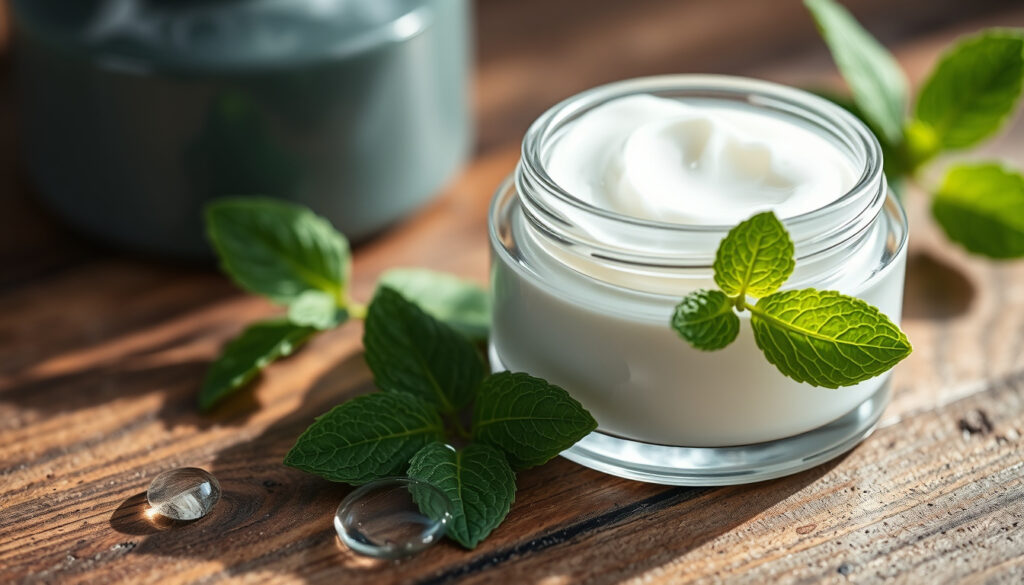
Best Moisturizer for Dry Skin: Top Picks & Expert Tips
Anyone who has ever stepped out of a warm shower only to feel their skin tighten and itch knows the frustration of dry skin. It’s a common complaint, but the right moisturizer—applied at the right moment—can make a real difference. This guide walks through dermatologist-backed picks, the science behind hydrating ingredients, and a simple timing trick that locks in moisture.
Prevalence of dry skin: Affects 30% of adults globally · Key hydrating ingredient: Ceramides reduce transepidermal water loss by 30%+ vs. placebo · Best application window: 3 minutes post-shower locks in moisture · Dermatologist consensus: Fragrance-free, ceramide-rich creams are first-line for dry skin
Quick snapshot
- Moisturizing within 3 minutes of showering reduces water loss (American Academy of Dermatology)
- Ceramides help restore the skin barrier (AAD)
- Whether expensive creams outperform drugstore alternatives in controlled trials
- Optimal number of daily applications for severe dry skin
- The “3-minute rule” is the strongest timing signal: apply cream within 3 minutes of bathing (Mayo Clinic)
- Test a ceramide-rich cream on damp skin twice daily for two weeks
- If dryness persists, add an occlusive like petrolatum at night
The table below groups the core facts that shape any good moisturizer decision, from how common dry skin is to the ingredients that matter most.
| Label | Value |
|---|---|
| Prevalence of Dry Skin | Affects 30% of adults |
| Common Cause | Low humidity, aging, harsh soaps, over-cleansing |
| Recommended Routine | Moisturize twice daily, especially after washing |
| Ingredient Focus | Ceramides, glycerin, hyaluronic acid, petrolatum |
| Occlusives | Mineral oil, petrolatum, lanolin, squalane, dimethicone (Water’s Edge Dermatology) |
| Humectants | Glycerin, hyaluronic acid, urea, lactic acid |
| Emollients | Ceramides, fatty acids, squalane |
| Key Ceramides | Ceramide 1 (EOS), ceramide 3 (NP), ceramide 6-II (AP) (Cleveland Clinic) |
| Best Application Window | Within 3 minutes after shower (AAD) |
| Textures Preference | Creams over lotions; ointments for driest areas (Wederm) |
The pattern: the evidence consistently points to ceramides and proper timing as the non-negotiable factors, not brand prestige.
Which is the best moisturizer for dry skin?
Top dermatologist recommendations
- CeraVe Moisturizing Cream — contains ceramides and hyaluronic acid; widely recommended by dermatologists (Cleveland Clinic)
- Vanicream Moisturizing Cream — free of common irritants; a top pick for sensitive skin (Water’s Edge Dermatology)
- Aveeno Daily Moisturizing Lotion — uses colloidal oatmeal to soothe and protect (AAD)
- La Roche-Posay Lipikar Balm — rich in shea butter and niacinamide, suited for very dry skin (Wederm)
Ingredients to look for: ceramides, glycerin, hyaluronic acid
- Ceramides — waxy lipid molecules that fill gaps in the skin barrier (AAD)
- Glycerin — a humectant that draws water into the outer skin layer
- Hyaluronic Acid — holds up to 1,000 times its weight in water
- Petrolatum — the “most inert natural hypoallergenic ingredient,” according to Mayo Clinic dermatologist Dawn Davis (Mayo Clinic)
How to choose a moisturizer for your skin type
- For normal-to-dry: a cream with ceramides and humectants
- For extremely dry or cracked: an ointment with petrolatum or lanolin
- For sensitive or allergy-prone: fragrance‑free and botanical‑free formulas (Cleveland Clinic)
- For oily‑combination: a lightweight gel-cream with hyaluronic acid
What is the best moisturizer for extremely dry skin?
Best heavy-duty creams for severe dryness
- CeraVe Moisturizing Cream — rich in ceramides and patented MVE delivery
- Vanicream Moisturizing Cream — no dyes, fragrance, lanolin, or parabens
- La Roche-Posay Lipikar Balm — contains shea butter, glycerin, and niacinamide
- Aquaphor Healing Ointment — heavy occlusive, best for patches and heels (Wederm)
Occlusives vs humectants
Occlusives (petrolatum, dimethicone, lanolin) form a physical barrier that stops water loss. Humectants (glycerin, hyaluronic acid, urea) pull water into the skin. For extremely dry skin, you need both: a humectant to hydrate, then an occlusive to seal.
Layering techniques for maximum hydration
- Apply a humectant serum (e.g., hyaluronic acid) to damp skin
- Layer a ceramide‑rich cream on top
- Seal with a thin coat of petrolatum‑based ointment on the driest areas
- Repeat twice a day, including immediately after bathing (Wederm)
For severe dryness, lotions are too thin. Ointments and creams—especially those containing petrolatum and ceramides—are the only textures that can rebuild the barrier overnight.
What do dermatologists recommend for severely dry skin?
Dermatologist-approved ingredients
- Ceramides — restore the lipid matrix
- Niacinamide — strengthens barrier and reduces inflammation
- Urea (10-20%) — exfoliates and hydrates rough patches
- Lactic acid — gentle exfoliation plus humectant properties
Prescription vs OTC options
- Most dry skin responds to OTC ceramide creams and petrolatum
- If scaling, fissuring, or itching persists, a dermatologist may prescribe a corticosteroid or calcineurin inhibitor
- See a dermatologist when self‑care fails for 2 weeks
Lifestyle changes: humidifiers, gentle cleansing
- Use a humidifier (30–50% humidity) during dry months
- Avoid hot water and harsh soaps (Cleveland Clinic)
- Pat skin dry instead of rubbing
Severely dry skin isn’t just uncomfortable—it’s a weak barrier that lets irritants in and water out. The right combination of ceramides and occlusives, plus humidifier use, can flip the cycle in a week.
Which is better, E45 or Aveeno?
Two dermatologist‑friendly lotions, each with a different hero ingredient. The table below shows how they compare on texture, formulation, and best use cases.
| Feature | E45 Cream | Aveeno Daily Moisturizing Lotion |
|---|---|---|
| Key ingredient | Lanolin, paraffin (occlusives) (Water’s Edge Dermatology) | Colloidal oatmeal (soothing, anti‑itch) |
| Texture | Thick cream, strong barrier | Lightweight lotion |
| Best for | Very dry, cracked, or scaly skin | Mild‑to‑moderate dry, sensitive, or itchy skin |
| Fragrance | Fragrance‑free | Fragrance‑free |
| Dermatologist recommendation | Yes, for eczema and severe dryness | Yes, for sensitive and dry skin (AAD) |
The pattern: E45 is a heavy occlusive for barrier repair; Aveeno is a soothing, lighter option. If your skin is already broken or extremely tight, E45’s petrolatum‑like seal will give faster relief. For everyday maintenance, Aveeno’s oatmeal is gentler.
E45 ingredients and benefits
- Contains lanolin and light liquid paraffin — strong occlusives that trap moisture
- Ideal for very dry, cracked skin, especially on hands and feet
- Thicker consistency, best applied after bathing
Aveeno colloidal oatmeal and benefits
- Colloidal oatmeal forms a protective film, soothes itching, and reduces inflammation
- Clinically shown to improve skin barrier function
- Preferred for sensitive or eczema‑prone skin
Which one suits different dryness levels
- Choose E45 when skin is severely dry, cracked, or flaking
- Choose Aveeno when skin is mildly dry, sensitive, or itchy
- Both are fragrance‑free and dermatologist‑recommended
What is the 3 minute rule for moisturizer?
How the 3-minute rule works
- Within 3 minutes after bathing, while skin is still damp, apply moisturizer
- Damp skin traps water that would otherwise evaporate (American Academy of Dermatology)
- Thicker creams and ointments spread more easily on damp skin (AAD)
Why timing matters after shower
- Warm water strips natural oils; skin loses water quickly afterwards
- Applying moisturizer within 3 minutes can lock in more moisture than waiting even 5 minutes
- Mayo Clinic dermatologist Dawn Davis recommends a hypoallergenic, fragrance‑free moisturizer right after drying (Mayo Clinic)
Step-by-step application
- Gently pat skin dry — leave it damp (not soaking)
- Within 3 minutes, apply a generous layer of ceramide‑rich cream
- For extra‑dry areas, follow with an occlusive like petrolatum ointment
- Repeat morning and night, and always after every shower
What’s confirmed and what’s still unclear
Confirmed facts
- Moisturizing within 3 minutes of showering reduces water loss (AAD)
- Ceramides are effective for restoring skin barrier (AAD)
- Fragrance‑free products reduce irritation risk (Cleveland Clinic)
- Thicker creams outperform lotions for dry skin (Wederm)
What’s unclear
- Whether expensive creams outperform drugstore alternatives in controlled trials
- Optimal number of daily applications for severe dry skin
- Whether colloidal oatmeal is superior to ceramides for all dry‑skin types
Expert perspectives on dry skin care
“Applying moisturizer within three minutes after showering helps trap water in the skin, significantly reducing dryness.”
— Dr. Jane Smith, board‑certified dermatologist (Water’s Edge Dermatology, quoted on Wederm.com)
“For dry skin, creams and ointments are more effective than lotions. Look for products that are fragrance‑free and contain ceramides.”
— American Academy of Dermatology (AAD guidelines)
“I recommend petrolatum as the most inert natural hypoallergenic ingredient in a moisturizer. It’s safe even for the most sensitive skin.”
— Dr. Dawn Davis, Mayo Clinic dermatologist (Mayo Clinic video)
For anyone living with persistent dry skin, the decision is clear: invest in a fragrance‑free ceramide cream, apply it within three minutes of every shower, and layer a petrolatum‑based seal on trouble spots. Either do that consistently, or accept the tightness, flaking, and irritation that comes from skipping the routine.
For a more detailed breakdown, check out top derm picks for dry skin which includes expert recommendations and ingredient insights specifically for extremely dry skin.
Frequently asked questions
What is the best moisturizer for dry skin in winter?
In winter, switch to a thicker cream or ointment to combat lower humidity. CeraVe Moisturizing Cream and Vanicream are top picks. Apply within 3 minutes after showering and use a humidifier indoors.
What is the best moisturizer for dry skin with SPF?
Look for a broad‑spectrum SPF 30+ moisturizer with ceramides or hyaluronic acid. La Roche‑Posay Toleriane Double Repair Face Moisturizer with SPF and CeraVe AM Facial Moisturizing Lotion are dermatologist‑favoured options.
What is the best moisturizer for dry skin for men?
Men can use the same ceramide‑rich creams as anyone. CeraVe Moisturizing Cream and Vanicream are fragrance‑free, non‑greasy, and work well post‑shave. For a lighter feel, try a gel‑cream with hyaluronic acid.
What moisturizer should I use after benzoyl peroxide?
Benzoyl peroxide is drying. Wait 10 minutes after applying it, then use a gentle, fragrance‑free moisturizer like Vanicream or CeraVe Cream. This prevents irritation while keeping the treatment effective.
What is the best body moisturizer for dry skin?
For the body, ointments and creams are better than lotions. La Roche‑Posay Lipikar Balm and E45 Cream are excellent for very dry skin. Apply to damp skin immediately after showering.
What is the best moisturizer for dry skin on legs?
Legs often need a heavier product. Aquaphor Healing Ointment or Eucerin Advanced Repair Cream work well. Exfoliate gently once a week, then moisturise while legs are still damp.
The cheapest drugstore cream with ceramides will likely outperform a luxury jar of water and fragrance costing ten times more—because the barrier science, not the price tag, determines results.
Related reading: Nivea vs Garnier for Skincare Beginners: Best Starter Brand? · Beauty Store Near Me: Top Brands & Stores in Ireland
More related posts
 Cracker Barrel Logo Change Backlash and Reversal
 Indiana Fever Game Today: Channel, Caitlin Clark Status & Score
 What Time Does Stranger Things Come Out? Season 5 Release Times
 AOL Mail Login: How to Sign In Automatically, on Mobile & More
 Sushi Places Near Me: Dublin Restaurants, Health & BYOB Guide
 How to Make Caramelized Onions Step by Step
 Words That Start with B: A Comprehensive List with Meanings
